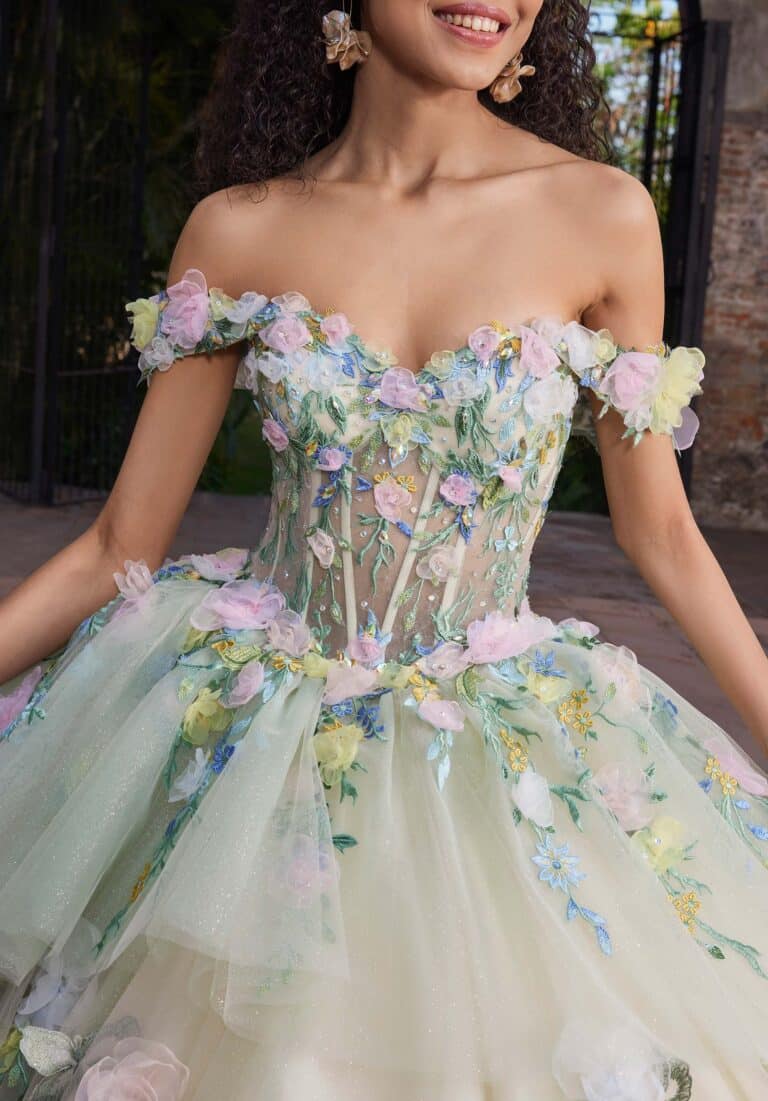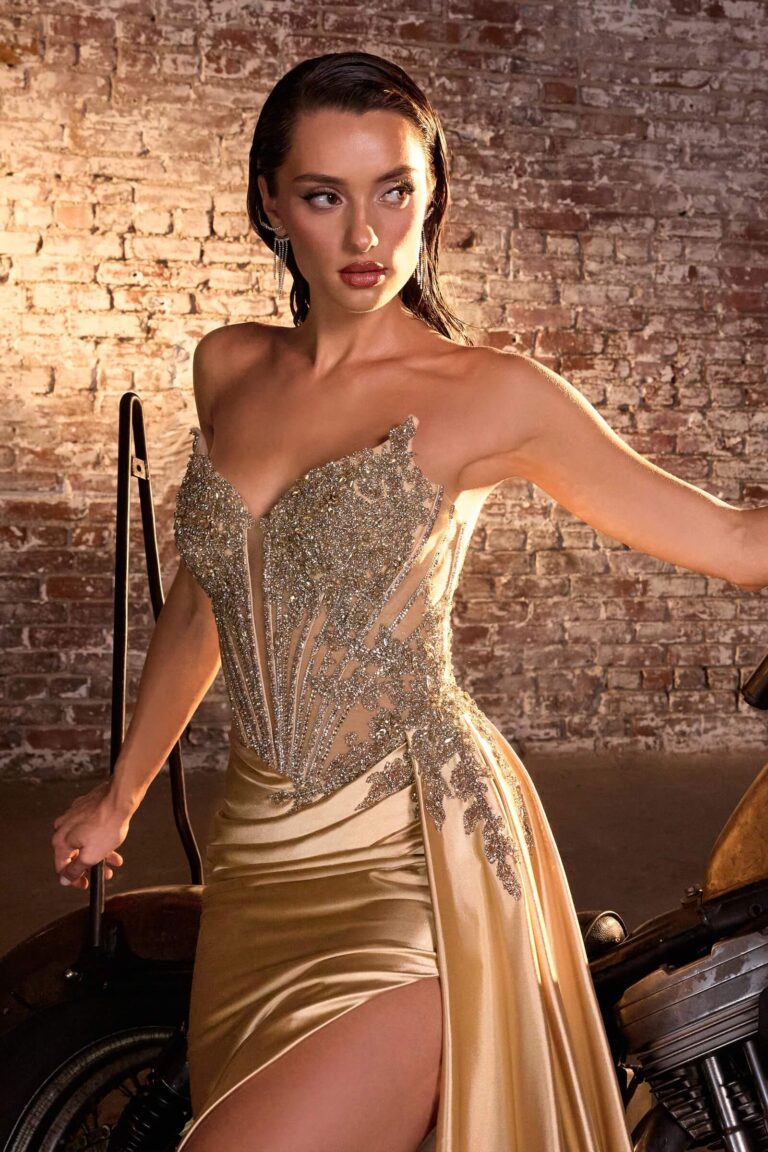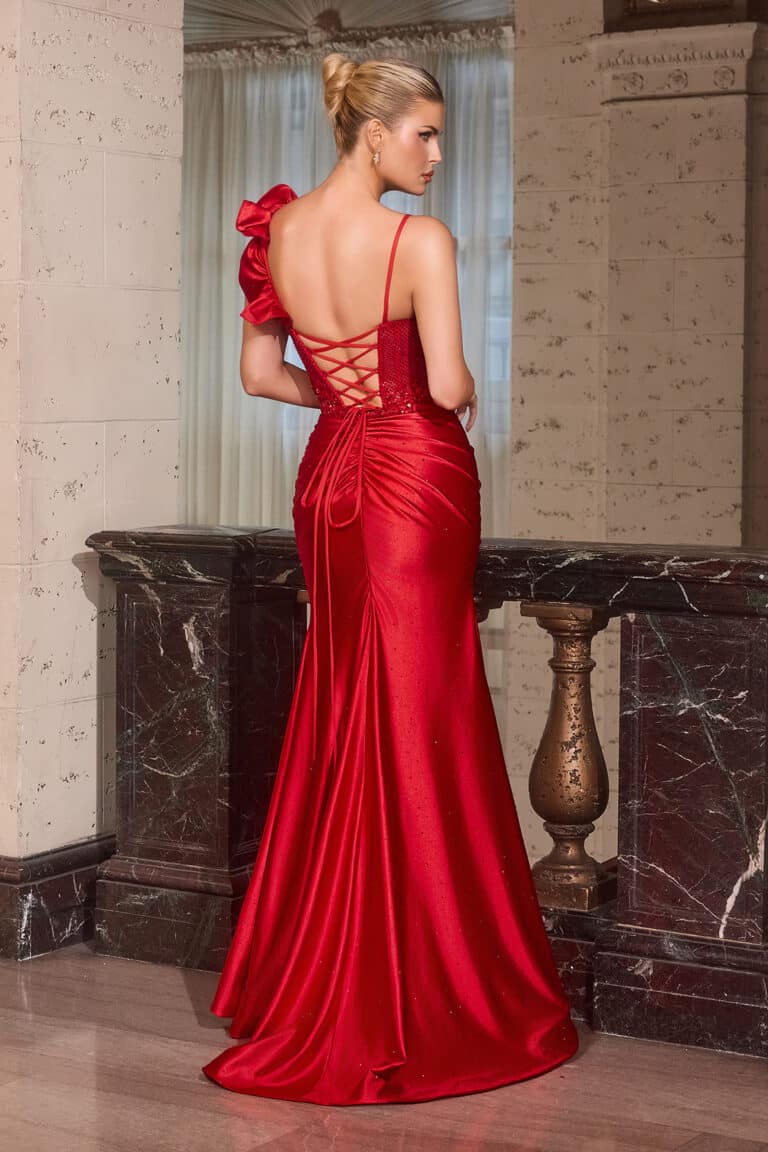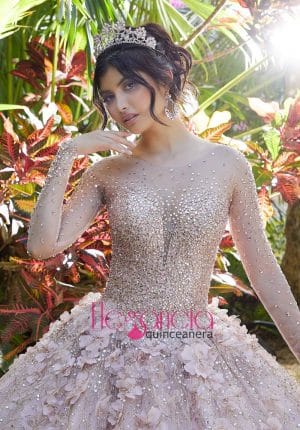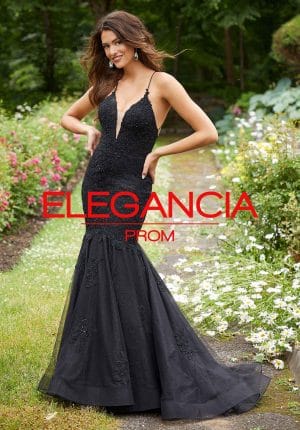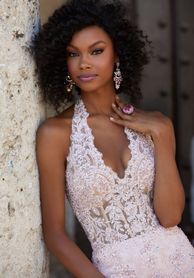

What makes a dress formal is the combination of its fabric, length, silhouette, construction and decorative details. Floor-length gowns are generally considered formal, but a sophisticated midi dress can also be appropriate for certain formal occasions.
The complete outfit matters, too. Shoes, jewelry, accessories and styling can make the same dress appear more or less formal.
If you are unsure what an invitation’s terminology means, start with our guide to what to wear for each dress code. Once you understand the requested attire, use the following characteristics to decide whether a particular dress is formal enough.
What Is Considered a Formal Dress?
A formal dress is designed for elegant celebrations and important occasions. Formal dresses generally have more structure, refined materials and sophisticated details than everyday or casual dresses.
Common formal dress characteristics include:
Floor-length or midi-length skirts
Satin, chiffon, velvet, lace or tulle
Structured bodices
Elegant necklines
Beading, sequins, embroidery or appliqués
Full, flowing or carefully tailored skirts
Finished linings and concealed closures
A polished fit
A dress does not need to include every feature on this list. A simple floor-length satin gown may appear more formal than a heavily embellished short dress because its material, silhouette and construction create a more elevated overall appearance.
You can compare different silhouettes and materials in Elegancia’s collection of formal dresses.
Does a Formal Dress Have to Be Floor-Length?
Formal dresses are often floor-length, especially when worn to black-tie events, galas, military balls and formal evening weddings. However, not every formal dress must touch the floor.
A refined midi dress may be formal enough when it is made from an elevated fabric and has a structured or sophisticated design. The event’s dress code, venue and time of day should help guide your decision.
In general:
Floor-length gowns are the safest choice for black-tie and highly formal events.
Tea-length and midi dresses can work for formal weddings, daytime celebrations and black-tie-optional events.
Knee-length dresses are more commonly associated with cocktail or semi-formal attire.
Mini dresses are rarely appropriate for traditional formal occasions.
Length is important, but it should always be evaluated alongside the fabric and overall design.

Formal Dress Fabrics
Fabric is one of the clearest differences between a formal dress and an everyday dress. Materials with a smooth finish, graceful movement or rich texture tend to create a more elegant appearance.
- Satin:
- Chiffon
- Velvet
- Lace
- Tulle
- Crepe and Jersey
Cotton, linen and casual knit fabrics usually appear less formal, although the dress’s construction can sometimes elevate them.
Formal Dress Silhouettes
The silhouette determines the overall shape of a dress. Some silhouettes naturally appear more formal because of their structure, volume or dramatic lines.
- Ball Gown
- Ball Gown
- A-Line
- Mermaid
- Trumpet
- Fit-and-Flare
- Column or Sheath
Elegancia’s selection of evening gowns includes a variety of these silhouettes for weddings, galas and other special occasions.
How Color and Pattern Affect Formality
Classic formal dress colors include black, navy, burgundy, emerald and other rich jewel tones. Neutral shades, metallics and soft pastels can also look formal when paired with the right fabric and silhouette.
Solid colors tend to create a timeless and sophisticated appearance, but prints can still be formal. Look for refined floral patterns, embroidered designs or prints on luxurious fabrics rather than casual stripes or novelty patterns.
Before selecting a color, consider:
- The event’s theme
- The season
- The time of day
- Your role at the celebration
- Colors reserved for the guest of honor or wedding party
Wedding guests should generally avoid white, ivory or colors that could look bridal unless the couple specifically requests them.
Can a Simple Dress Still Be Formal?
A dress does not need sequins, beading or a full skirt to qualify as formal. Simple dresses can be exceptionally elegant when they include:
- High-quality fabric
- A flattering and precise fit
- A sophisticated neckline
- Clean seams
- Thoughtful draping
- A polished floor-length or midi silhouette
A solid satin column dress, for example, may be more formal than a short sequined dress. The quality and construction of the entire garment are more important than the number of embellishments.
How to Make a Dress Look More Formal
Accessories and styling can elevate an understated dress, although they cannot always make a casual dress appropriate for a black-tie event.
To make a dress look more formal, consider adding:
- Refined heels or dressy flats
- Elegant earrings or a statement necklace
- A small clutch or evening bag
- A shawl, wrap or dressy jacket
- Polished hair and makeup
- A coordinated belt or other refined accessory
Avoid pairing a formal dress with an oversized everyday bag, casual sandals, sneakers or overly informal outerwear.
How to Tell If Your Dress Is Formal Enough
Before wearing a dress to an important event, ask yourself these questions:
- What does the invitation say? A stated dress code should always be your starting point.
- Where is the event being held? A ballroom or luxury hotel generally calls for more formal attire than a backyard or casual restaurant.
- What time does it begin? Evening events are often more formal than daytime celebrations.
- What is my role? A mother of the bride, quinceañera court member or honored guest may dress more formally than a general attendee.
- What does the complete outfit look like? Evaluate the dress with your intended shoes, jewelry and accessories.
- Can I move comfortably? A formal dress should allow you to sit, walk and dance without constant adjustments.
When you are deciding between two dresses, it is generally safer to choose the more polished option for a formal event
Find the Right Formal Dress at Elegancia
A formal dress is defined by more than its length. Fabric, silhouette, construction, embellishments and styling all contribute to the final look.
The best dress will satisfy the event’s expectations while making you feel comfortable and confident. If you would like help comparing styles, visit Elegancia Formal Wear to explore our selection of evening gowns and prom dresses.
You can also contact Elegancia Formal Wear for assistance finding the right dress for your next event.